The 99 Percent Feeling: How Fake Progress Became a Design Language
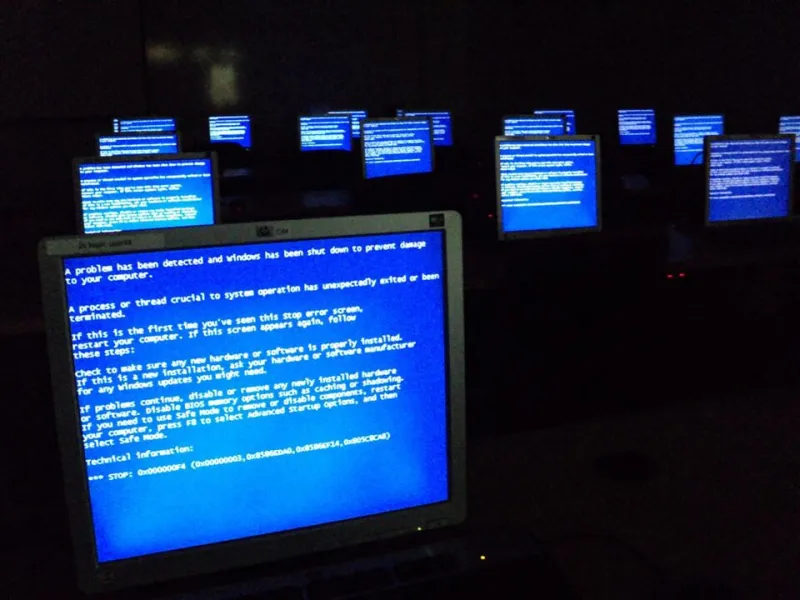
Photo: Grj23, CC0, via Wikimedia Commons
The loading bar is one of the most trusted liars in software. It tells you something is happening. It tells you how much is left. It tells you, with a straight face, that you are 43 percent of the way through a process it may not actually be measuring. And most of the time, we believe it.
That is not a bug in our brains. It is a feature of the interface. Progress indicators are designed less to report reality than to manage the feeling of waiting. In 2026, when patience is measured in thumb taps and abandoned carts, the fake progress bar is not a quaint relic. It is a core piece of user experience theater.
The Bar Was Never a Measurement
Real progress is hard. Real progress means knowing how many files need to move, how many packets need to arrive, how many database rows need to update, and how long each one will take under current conditions. That is a lot of uncertainty to put on a screen. A progress bar smooths it over. It turns a messy backend into a clean little story: you are here, the end is there, keep breathing.
Sometimes the bar is honest. Often it is not. It might be animated at a fixed rate. It might jump from 70 to 90 because the designer knew people get nervous in the last third. It might sit at 99 percent because the final step is unpredictable and the interface would rather look almost done than admit it has no idea.
A Short History of Reassurance Theater
Progress bars became a mainstream convention in the 1980s and 1990s, when personal computers started asking people to wait for things they could not see. Installing software, copying files, downloading updates: these were invisible processes that needed a visible shape. The bar gave waiting a body.
But even early on, the bar was a social contract. The machine would not just work. It would perform working. The percentage was a reassurance, not a measurement. Spinning wheels and hourglasses did the same job with less specificity. A spinner says something is happening. A percentage says something is happening and it is almost over. The second one is a much better sales pitch.
Why We Forgive the Lie
We forgive fake progress because the alternative is worse. A blank screen is a void. A frozen screen is a threat. A bar that moves, even dishonestly, tells us the system has not abandoned us. It is the digital equivalent of a mechanic saying, 'We are getting to it.' You do not need the exact torque specs. You need to know the car is in the bay.
There is also a weird emotional math to percentages. A bar at 10 percent feels like a beginning. A bar at 50 percent feels like a commitment. A bar at 90 percent feels like a promise. The last ten percent is where trust goes to die, which is why so many interfaces rush it, fake it, or hide it behind a cheerful message about how good things come to those who wait.
The 99 Percent Problem
The 99 percent stall is a special kind of betrayal. It is the moment the interface runs out of story. The user has already invested time. The brain has already started planning the next action. Then the bar stops, and the waiting becomes open-ended. In an age of instant everything, a stalled 99 percent feels less like a delay and more like a personal insult.
Designers know this. That is why some systems deliberately avoid exact percentages in the final stretch. They switch to a spinner. They say 'finishing up.' They blur the number. The goal is not to inform you. The goal is to keep you from doing math about your own patience.
When the Spinner Becomes the Message
The spinning wheel is the progress bar's quieter cousin. It makes no claims. It just rotates, a small loop of maybe. But even the spinner is a performance. It says the app is thinking, not frozen. It says the connection is alive, not dead. It says please do not close this window.
In 2026, we are surrounded by these little performances. Streaming apps buffer. Games matchmake. AI tools generate. Updates install. The progress indicator has become a language of its own, a way for software to say, 'I know you are impatient, and I am doing something about it, probably.'
The next time a bar lies to you, try not to take it personally. It is not measuring your download. It is measuring your willingness to stay. And if it hits 99 percent and just sits there, you are allowed to laugh. The bar was never the truth. It was the mood lighting.