Silenced, Not Deleted: A Field Guide to the Apps We Keep Out of Guilt
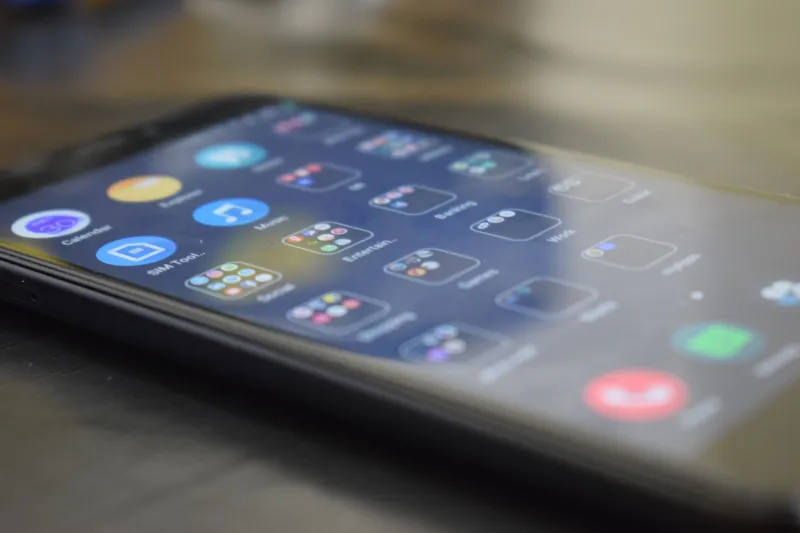
Your phone's app library is a small cemetery with excellent lighting. The icons are still there, still glossy, still arranged in the same order you swore would help you build a better life. They just do not ring anymore. You silenced them. You did not delete them. That distinction matters more than anyone wants to admit.
This is not a story about clutter. Clutter is a drawer. This is a story about intent that outlived its own notification settings. In 2026, our phones are less toolboxes than storage units for past versions of ourselves, and the apps we keep out of guilt are the receipts.
The February Fitness Tracker
Every phone has one. The fitness app you downloaded in a burst of New Year optimism, used for six days, and then muted when it had the nerve to suggest a walk. It is still there, usually on the second screen, nestled between the weather and a parking app. You do not open it. You do not delete it. Deleting it would be a statement. Keeping it is a maybe.
The app does not know it is a tombstone. It sends a gentle nudge every Sunday evening, which you swipe away with the practiced speed of someone ignoring a relative's group chat. The nudge is not the problem. The problem is that the app remembers a version of you that had momentum. You keep it installed because uninstalling it would mean admitting that momentum has a shelf life.
The Language App as Guilt Object
Then there is the language app. You know the one. It has a mascot. The mascot has opinions. You once did a ten-minute lesson on greetings and felt briefly cosmopolitan. Now the app sits there with a streak counter frozen at four, a tiny digital shame shrine.
Language apps are especially good at becoming guilt objects because they promise transformation in small, measurable units. Five minutes a day. A streak. A little green checkmark. The promise is so reasonable that quitting feels irrational. So you keep it. You mute the reminders. You tell yourself you will pick it back up when work calms down. Work does not calm down. The app remains.
The Social Network You Muted but Didn't Leave
Muting is the quietest form of leaving without leaving. You still have the account. You still have the icon. You just do not want the app to speak to you. Maybe you keep it because of a group chat. Maybe you keep it because of a login you use elsewhere. Maybe you keep it because deleting it feels like burning a bridge you might need in a year.
This is the strange compromise of modern app life: we stay in places we have silenced. The feed still loads. The notifications are off. The app is a room you walk past in your own house, door closed, light off, but still furnished.
Storage as Emotional Real Estate
Phone storage screens are blunt instruments. They show you megabytes and gigabytes, not memories and maybes. But every dormant app is renting space in two places: on your device and in your head. The storage bar fills up. You start deleting photos of receipts before you delete the app that promised to make you fluent in Portuguese.
There is an economics here, just not the one the app store describes. The cost is not the download. The cost is the low-grade background hum of a promise you have not kept. Muting the notification turns down the volume. It does not remove the speaker.
What the Tombstones Actually Say
We keep these apps because they are not really apps. They are placeholders for possible selves. The runner. The polyglot. The person who meditates. The person who remembers birthdays without a calendar alert. Deleting the app is not a storage decision. It is a small funeral for a version of you that did not quite arrive.
And yet, there is something oddly tender about the graveyard. It means you tried. It means you hoped. It means you were not cynical enough to never download anything again. The apps are not failures. They are evidence of ambition that got interrupted by real life, which is most of life.
So the next time you scroll past that silenced icon, do not treat it as a moral failing. Treat it as a tiny museum exhibit. Label it: Here was a person who thought they might become someone else. The signal faded. The app stayed. That is not a glitch. That is just how hope looks when it is parked on the second screen.